
Search Alabama Bench Warrants
Alabama bench warrants are court orders that direct law enforcement to arrest a person. Judges issue bench warrants when someone fails to appear in court or does not follow a court order. Each of the 67 counties in Alabama keeps bench warrant records at the Circuit Clerk office and the Sheriff's office. You can search for bench warrants by phone, online, or in person at courthouses across the state.
Alabama Bench Warrant Quick Facts
What Is a Bench Warrant?
A bench warrant is a court order for arrest. The name comes from the judge's bench. When a person fails to appear in court or does not obey a court order, the judge can issue a bench warrant from the bench. This is different from an arrest warrant, which police get when they believe someone committed a new crime.
Under Code of Alabama § 15-10-60, a bench warrant is "one issued by a judge for the arrest of one accused of a crime by a grand jury." In practice, judges issue bench warrants for many reasons. The most common is failure to appear, often called FTA. Courts also issue them when someone fails to pay fines, misses a hearing, or breaks the terms of probation.
Bench warrants in Alabama contain specific information:
- Name of the person (or a description)
- Original charge or offense
- Court that issued the warrant
- Date of issuance
- Judge or magistrate signature
- Bond conditions if set
- Case number
- County of issuance
Once a bench warrant is issued, law enforcement can arrest that person at any time. Police can make the arrest at a traffic stop, at home, or anywhere else. Under Code of Alabama § 15-10-2, officers may execute warrants any day and at any time.
Bench Warrant vs Arrest Warrant
Bench warrants and arrest warrants are not the same. Both lead to arrest, but they come from different situations. A bench warrant comes from a judge when someone does not follow court rules. An arrest warrant comes from police work when they believe someone committed a crime.
An arrest warrant starts with a police investigation. Officers gather evidence. They write an affidavit. A judge or magistrate reviews it. If there is probable cause, they sign the warrant. This allows police to arrest someone for a new crime. The person may not know about it until police show up.
A bench warrant is different. It starts with a court case that already exists. The person knows about their case. They have a court date. When they do not show up or fail to follow orders, the judge issues a bench warrant. The person is not facing a new charge. They are in trouble for not obeying the court in their current case.
One key difference is expiration. Felony bench warrants in Alabama never expire. They stay active until the person is arrested, or the court recalls them. Misdemeanor bench warrants may be valid for 180 days to one year, but courts can renew them.
How Alabama Courts Issue Bench Warrants
Three types of courts issue bench warrants in Alabama. Circuit Courts handle felony cases. District Courts handle misdemeanor and traffic cases. Municipal Courts handle city ordinance violations. Each court has its own judges who can sign bench warrants.
The process starts when someone misses court. The clerk notes the absence. The judge reviews the case. If the person had proper notice of the hearing, the judge may issue a bench warrant. The clerk enters it into the system. Law enforcement gets access to it through LETS, the Law Enforcement Tactical System.
Under Code of Alabama § 12-1-7, courts have the power to compel obedience to their orders. This gives judges the authority to issue bench warrants when people ignore court commands. The warrant directs any officer in the state to arrest the person and bring them before the court.
Alabama uses a unified judicial system. The Administrative Office of Courts (AOC) runs the Alacourt system. This connects all circuit and district courts. When a judge issues a bench warrant, it goes into this statewide system. The Sheriff and police departments can see it. If the warrant is for a felony, it may also go into the NCIC database for interstate access.
How Long Do Bench Warrants Last in Alabama?
Felony bench warrants do not expire in Alabama. They remain active until one of two things happens. Either law enforcement arrests the person, or the court recalls the warrant. A judge may recall a warrant if the case is dismissed or the person turns themselves in.
Misdemeanor bench warrants work differently. They are often valid for 180 days to one year. After that, the court may renew them. Some courts let them lapse if they are not served. It depends on the county and the nature of the case. Do not assume an old warrant is gone. Always check with the court or sheriff.
Many people think bench warrants go away on their own. This is not true. Even old warrants can cause problems. A traffic stop years later can lead to arrest. A background check for a job may show the warrant. The best way to clear a bench warrant is to deal with it directly. Contact a lawyer or the court to find out your options.
How to Search for Alabama Bench Warrants
Alabama does not have a single free online database for all bench warrants. You must check with the right office to find out if a warrant exists. The main sources are the county Sheriff and the Circuit Clerk. Some counties post warrant lists online. Others require you to call or visit in person.
Here are the main ways to search for bench warrants in Alabama:
Sheriff's Office: Call the Sheriff in the county where the case was filed. Many Sheriff offices will tell you over the phone if there is an active warrant. This is often free. Some counties have warrant search pages on their websites. Mobile County, Morgan County, Tuscaloosa County, and Fayette County all post warrant lists online.
Circuit Clerk: The Circuit Clerk keeps court records, including bench warrants. You can ask the clerk to check for warrants on a person. Some clerks do this by phone. Others require you to come in person. Fees may apply for searches and copies.
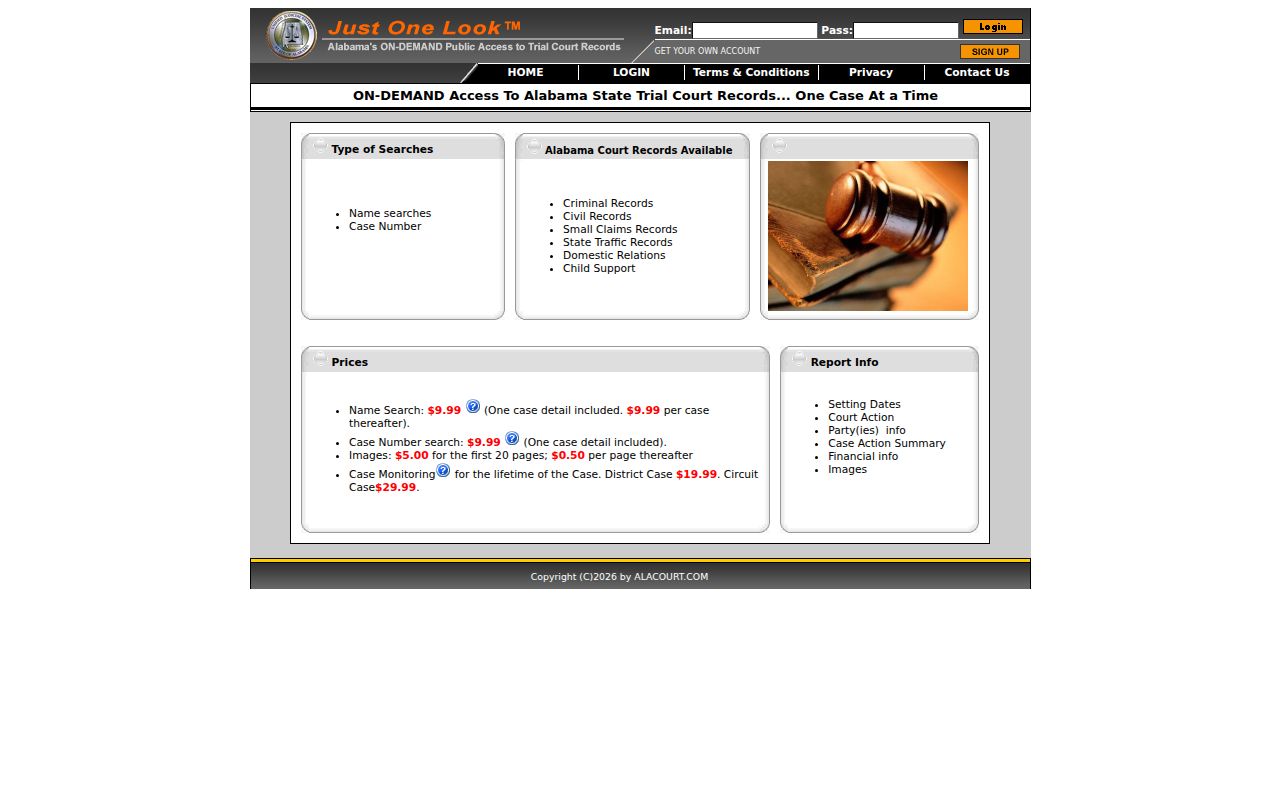
Alacourt Access: This is the state court records system at pa.alacourt.com. It covers all 67 counties. You can search by name to find court cases. If a case shows a bench warrant was issued, you will see it in the case details. A name search costs $9.99 and includes one case. Document images cost $5.00 for the first 20 pages.
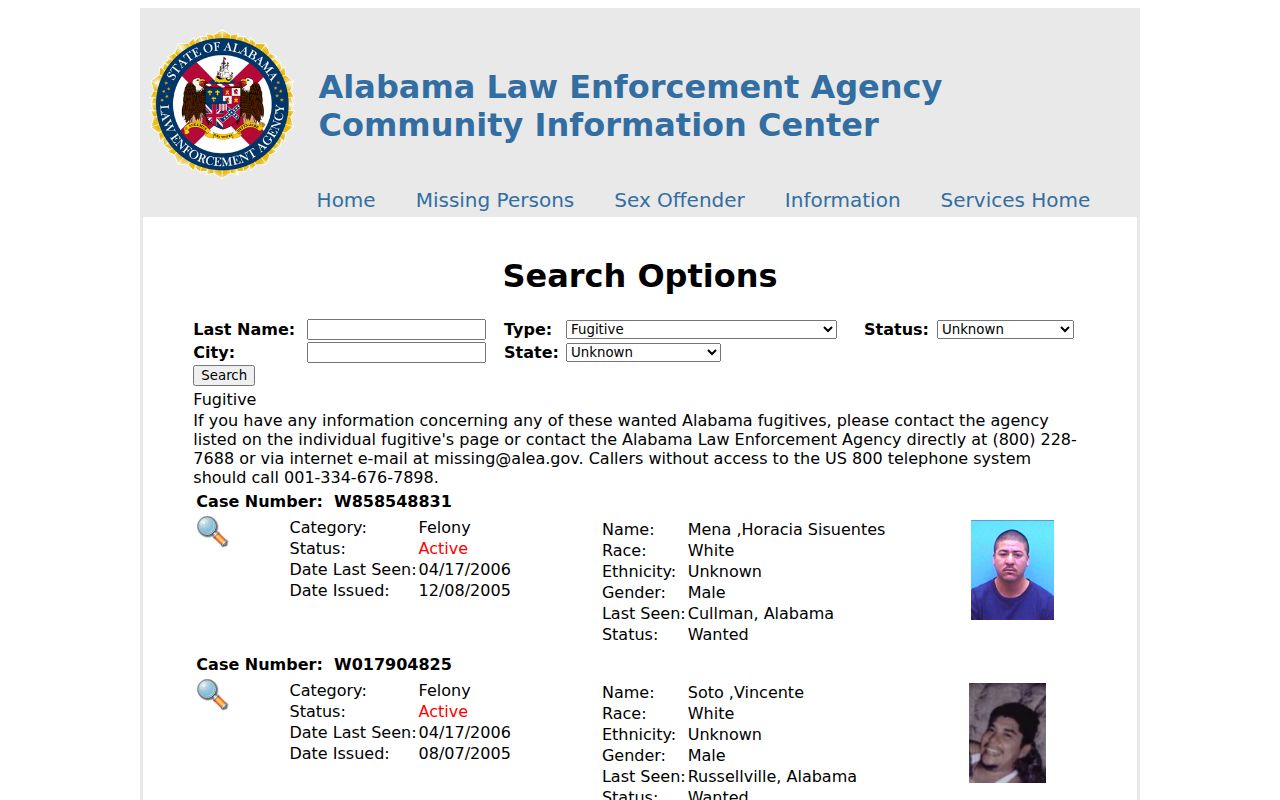
ALEA Fugitive Search: The Alabama Law Enforcement Agency has a limited fugitive search at app.alea.gov. This shows only select felony fugitives. It is not a full warrant database. Do not rely on it alone.
How to Clear a Bench Warrant in Alabama
If you have a bench warrant, you have options. The best approach depends on your situation. You can turn yourself in. You can hire a lawyer to help. In some cases, you may be able to resolve the matter without going to jail.
Turning yourself in shows the court that you are taking responsibility. Go to the courthouse or the jail during business hours. Bring your ID. You will likely see a judge the same day or the next morning. The judge will decide whether to set bail, release you, or hold you until your hearing.
Hiring a lawyer can help in several ways. A lawyer may be able to file a motion to recall the warrant. This means the court cancels it and sets a new court date. Some lawyers can appear in court on your behalf before you turn yourself in. This may make the process smoother.
Some cities in Alabama offer amnesty programs. Dothan, for example, has run Amnesty Court programs for people with failure to appear warrants. These programs let you clear your warrant without going to jail. They usually run for a limited time. Check with your local court to see if any programs are available.
Never ignore a bench warrant. It will not go away. Every traffic stop, every background check, every encounter with police puts you at risk. Deal with it now rather than later.
Alabama Bench Warrant Search Fees
Fees vary based on how you search and where you go. Many Sheriff offices provide free warrant checks by phone. Formal records requests and copies have fees.
Here are the common fees in Alabama:
- Alacourt name search: $9.99 per search
- Alacourt document images: $5.00 for first 20 pages
- ALEA background check: $25.00
- Copy fees: $0.50 to $1.00 per page (varies by county)
- Certified copies: $5.00 and up
- Sheriff phone inquiry: Usually free
Fees can change. Call the office before you go to confirm what you will owe. Some offices accept cash only. Others take credit cards or checks.
Are Bench Warrants Public in Alabama?
Yes. Bench warrant records are public in Alabama once they are issued. Code of Alabama § 36-12-40 gives every citizen the right to inspect public records. Code of Alabama § 36-12-41 allows you to get copies for a fee.
Some limits apply. Juvenile records are not public. Sealed cases are not open to the public. But most adult bench warrants can be viewed by anyone. You do not have to be the person named in the warrant. You do not have to give a reason for your request.
Many Sheriff departments post active warrant lists on their websites. This helps the public know who is wanted. It also may lead to tips that help law enforcement find the person.
Alabama State Court Resources
Alabama has several state-level resources for bench warrant searches and court information.
| Resource | Contact |
|---|---|
| Alabama Administrative Office of Courts (AOC) | 300 Dexter Avenue, Montgomery, AL 36104 Phone: 1-866-954-9411 alacourt.gov |
| Alacourt Access (Court Records) | pa.alacourt.com |
| Alabama Law Enforcement Agency (ALEA) | P.O. Box 1511, Montgomery, AL 36102-1511 Phone: (334) 676-7700 alea.gov |
| ALEA Fugitive Search | app.alea.gov |
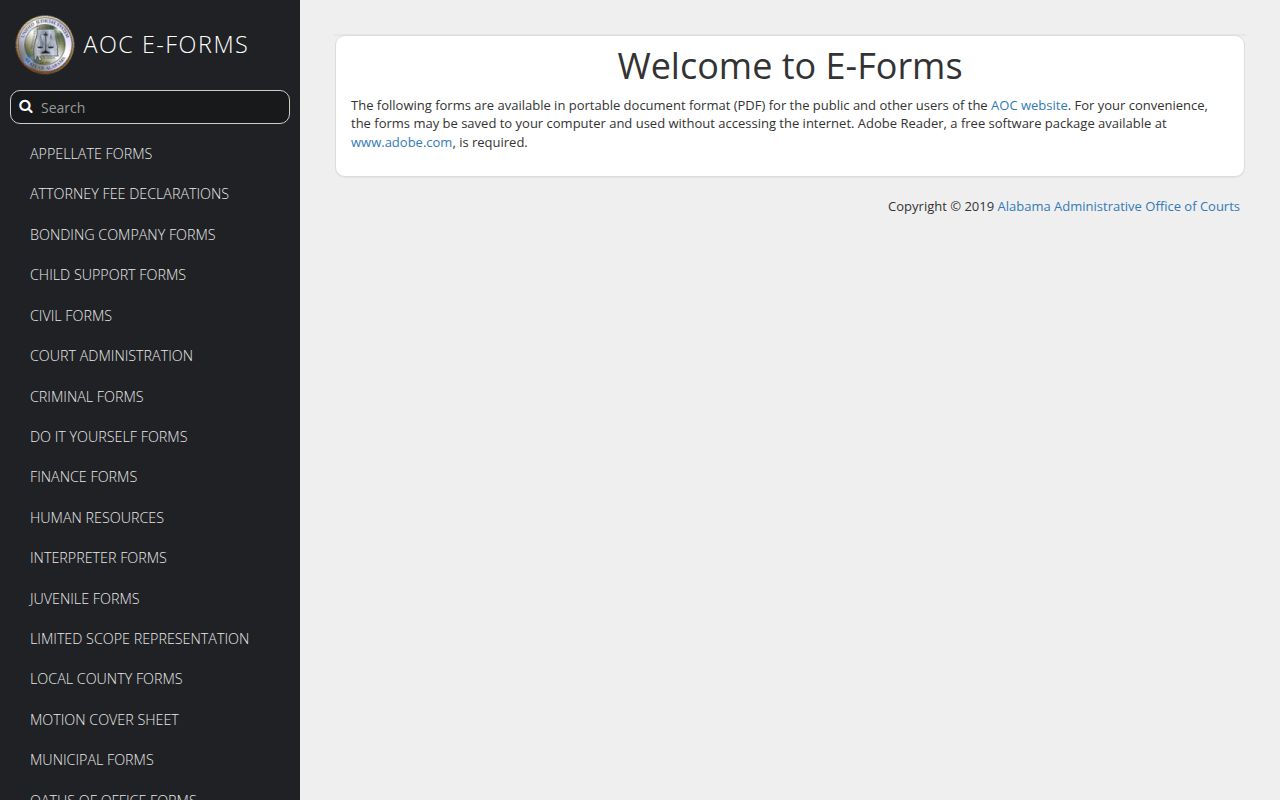
| Alabama eForms (Court Forms) | eforms.alacourt.gov |
| AlaPay (Pay Fines Online) | alapay.com |
Browse Alabama Bench Warrants by County
Each county in Alabama has its own Circuit Clerk and Sheriff who keep bench warrant records. Pick a county below to find local contact info and search options.
Bench Warrants in Major Alabama Cities
Major cities in Alabama have Municipal Courts that issue bench warrants for city ordinance violations. County courts handle more serious cases. Pick a city below to learn about bench warrant searches in that area.